Construction Debris Disposal Rules in Boise
Whether you're a contractor finishing a remodel or a homeowner tackling a DIY project, you can't just dump construction debris anywhere. Ada County and Boise have specific rules about what goes where.
Ignoring these rules can result in fines, project delays, and headaches you don't need. The good news? The rules are straightforward once you understand them.
Here's what you need to know about construction debris disposal in the Treasure Valley.
What Counts as Construction Debris?
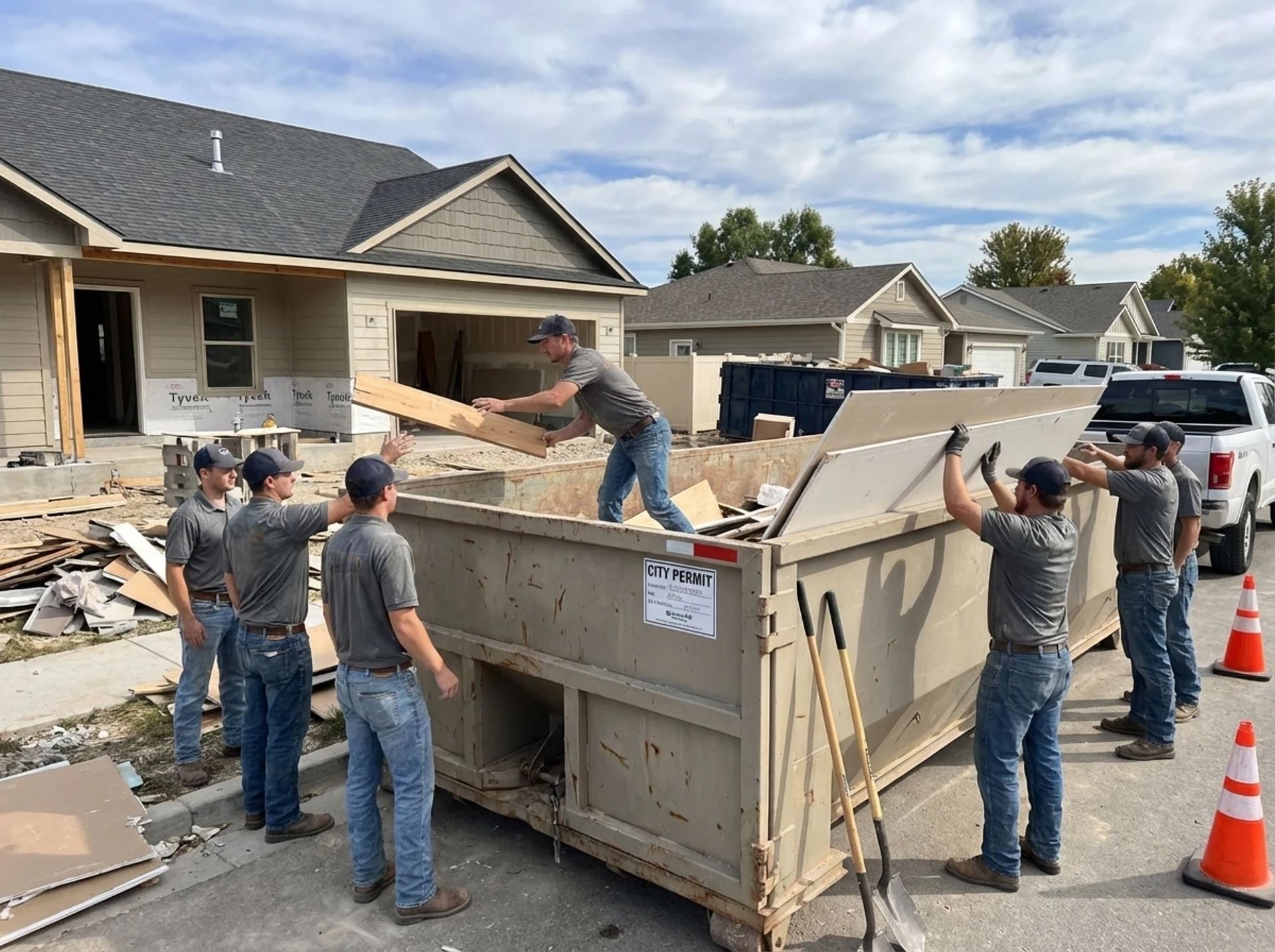
Construction and demolition debris (C&D) includes materials from building, renovating, or demolishing structures. In Ada County, this typically means:
Concrete and masonry: Broken concrete, bricks, blocks, stone, and asphalt from driveways or walkways.
Wood waste: Lumber, plywood, OSB, treated wood, and wood scraps from framing or demolition.
Drywall and plaster: Sheetrock, gypsum board, and plaster from walls and ceilings.
Roofing materials: Shingles, tar paper, and other roofing components.
Metals: Rebar, wire, pipes, ductwork, and structural steel.
Mixed debris: Insulation, carpet, flooring, fixtures, and miscellaneous materials from renovation projects.
Where Construction Debris Can Go in Ada County
Hidden Hollow Landfill
This is the primary disposal facility for construction debris in the Boise area. Located south of Boise near Kuna, Hidden Hollow accepts most C&D materials. They charge by weight, so heavier loads cost more. Call ahead if you're bringing unusual materials-some items require special handling.
Ada County Landfill
The main Ada County landfill also accepts construction debris, though prices and accepted materials may differ from Hidden Hollow. Check current rates and restrictions before hauling a load out there.
Recycling Facilities
Clean concrete, metals, and some other materials can go to recycling facilities instead of landfills. This is often cheaper and better for the environment. We'll cover recycling options in more detail below.
Materials That Require Special Handling
Not everything can go in a standard construction debris load. These materials have special disposal requirements:
Mixing hazardous materials with regular construction debris can result in your entire load being rejected-and potentially significant fines.
Illegal Dumping Penalties
Dumping construction debris on private property, vacant lots, or public land is illegal in Ada County. This seems obvious, but it happens more than you'd think-usually because someone's trying to avoid disposal fees.
Penalties for illegal dumping in Idaho can include fines of several hundred to several thousand dollars, cleanup costs billed to the responsible party, potential criminal charges for large-scale dumping, and liability for any environmental damage.
The disposal fees you're trying to avoid are almost always cheaper than the penalties you'll face if caught. And with more surveillance and stricter enforcement, getting caught is increasingly likely.
Requirements for Contractors
If you're a contractor working in Boise, Meridian, or elsewhere in the Treasure Valley, you have additional responsibilities beyond basic disposal rules.
Keep debris contained on job sites. Materials shouldn't blow onto neighboring properties or public areas. Use tarps, fencing, or containers to keep debris contained during projects.
Don't let debris accumulate. Some municipalities require regular debris removal during extended projects. Check local ordinances for specific timelines.
Separate recyclables when possible. Some jurisdictions encourage or require separation of recyclable materials like clean concrete, metals, and cardboard.
Document disposal properly. Keep receipts from landfills or recycling facilities. If questions arise about where project debris went, you'll have documentation.
Recycling Options in the Treasure Valley
Recycling construction materials isn't just environmentally responsible-it's often cheaper than landfill disposal.
Concrete and asphalt: Several facilities in the Boise area accept clean concrete for crushing and reuse as aggregate. This is typically cheaper than landfill disposal.
Scrap metal: Any metal components-rebar, copper pipes, steel beams, aluminum-have recycling value. Scrap yards will often pay you for these materials.
Clean wood: Some facilities accept untreated, unpainted wood for mulching or biomass fuel.
Cardboard and packaging: Standard recycling programs accept cardboard from construction sites.
The Bottom Line
Construction debris disposal in Ada County is straightforward if you follow the rules. Use approved facilities, keep hazardous materials separate, and don't try to cut corners with illegal dumping.
If the logistics of sorting, hauling, and disposing of construction debris properly seem overwhelming, that's where professional removal services come in. We handle the compliance headaches so you can focus on the actual project.
Not sure if your project generates materials that need special handling? Give us a call. We can help you figure out the right approach for your specific situation.
Need Construction Debris Removed?
We handle construction debris removal throughout Boise, Meridian, Nampa, and the Treasure Valley-including proper disposal and compliance with local regulations.
Call (208) 545-3461